6 Applications of XR Technologies
6.1 2025 Spotlight Applications: Why XR Here?
Recent deployments highlight how XR solves domain-specific problems across regulation, industry, and social impact. Use these case tiles as conversation starters when scoping new projects or pitching stakeholders.
6.1.1 Varjo XR-4 + Teleport: EASA-Qualified Mixed-Reality Flight Simulation
Scenario: European Aviation Safety Agency approval of a mixed-reality simulator that pairs Varjo XR-4 headsets with certified cockpit hardware.(Varjo Technologies 2024)
Why XR here?
- Regulatory compliance: Mixed reality meets stringent pilot-training standards, allowing airlines to log official hours with flexible content updates.
- Cost containment: Operators swap scenery and emergency scenarios digitally instead of rebuilding physical mockups.
- Sensory fidelity: XR-4’s retinal-resolution passthrough preserves cockpit instrumentation readability while blending synthetic visuals for complex weather training.
6.1.2 Unreal, Twinmotion, and Cesium: Industrial Digital Twins for AEC
Scenario: AEC teams stitch together geospatial data, architectural models, and real-time collaboration inside Unreal Engine using Twinmotion and Cesium integrations.(Epic Games 2024)
Why XR here?
- Geospatial context: XR visualizes proposed infrastructure alongside real terrain, making stakeholder reviews intuitive.
- Iterative coordination: Designers, engineers, and contractors co-locate in virtual spaces to detect clashes before construction.
- Decision transparency: Immersive walk-throughs translate technical documentation into experiences that non-experts can evaluate.
6.1.3 Therapeutic VR in Prisons: Creative Acts Rehabilitation Program
Scenario: California prisons deploy VR modules combined with art therapy to support people transitioning out of solitary confinement.(Kelley 2024)
Why XR here?
- Emotional rehearsal: VR safely simulates stressful situations (grocery stores, family gatherings) before release.
- Documented outcomes: Facilities reported dramatic reductions in infractions—evidence that immersive therapy can complement systemic reforms.
- Human-centered design: Facilitators tailor content to participant fears, showing XR’s role in trauma-informed care.
6.2 Architectural and Urban Visualization
Virtual Reality (VR) and Augmented Reality (AR) technologies have revolutionized the field of architectural visualization and urban planning. These immersive technologies offer new ways to experience and interact with unbuilt environments, providing significant advantages in design, presentation, and decision-making processes.
6.2.1 Immersive Architectural Visualization
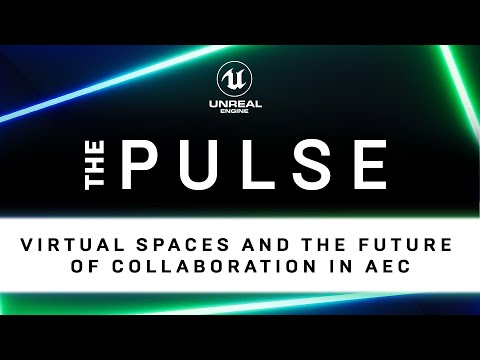
Architectural visualization has become a well-established practice in the design industry, leveraging powerful tools like Unreal Engine to create immersive 3D environments. These digital representations allow architects and clients to explore and evaluate building designs before construction begins, serving as an invaluable decision-making tool.
An amazing film or an amazing image? You know, I still have to imagine myself in this space to understand the impact and we could just never do that until recently. I mean, it’s really just a couple of years ago.
- Quote from industry professional
The power of VR in architectural visualization lies in its ability to create a sense of presence within the designed space. This immersive quality allows users to experience the spatial conditions in a way that traditional 2D renderings or physical models cannot achieve.
And I feel that, you know, the technology has reached a point where we can simulate those spaces to a degree where I can actually trick my body into feeling the spatial condition virtually.
- Quote from industry professional
6.2.2 Urban Planning and City Visualization
VR technology has also found significant applications in urban planning and city visualization. These tools allow planners, stakeholders, and citizens to experience proposed urban developments in an immersive and intuitive way.
One example of this is the virtual city visualization project at Chalmers University:
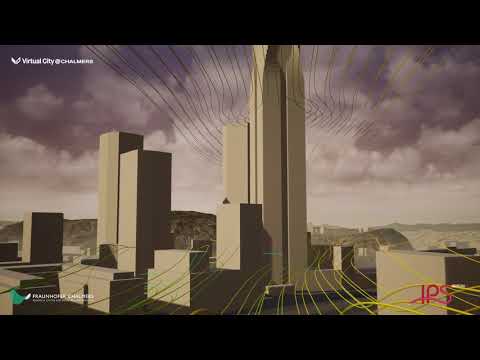
This project demonstrates how different scales of visualization can provide varied insights:
- Holographic interaction: Viewing the city model as if it were on a table, allowing for a bird’s-eye perspective
- Immersive street-level view: Providing context and relatability to the real environment
The holographic interaction allows you to use your whole body to engage with the city model from above, while the street-level view provides a completely different perspective. When you’re down at street level, you can imagine yourself standing there, looking up and seeing the environment in its proper context for better understanding.
6.2.3 Benefits of XR in Architecture and Urban Planning
Enhanced Spatial Understanding: XR allows clients and stakeholders to truly understand the scale and feel of a space before it’s built.
Iterative Design: Architects can make real-time changes and immediately see the impact in an immersive environment.
Collaborative Decision Making: Multiple stakeholders can simultaneously explore and discuss a design in a shared virtual space.
Cost and Time Savings: By identifying design issues early in the virtual environment, costly changes during construction can be avoided.
Public Engagement: Urban planners can use XR to better communicate proposed changes to the public, increasing understanding and engagement.
6.2.4 Case Study: John Wick 3 Set Design
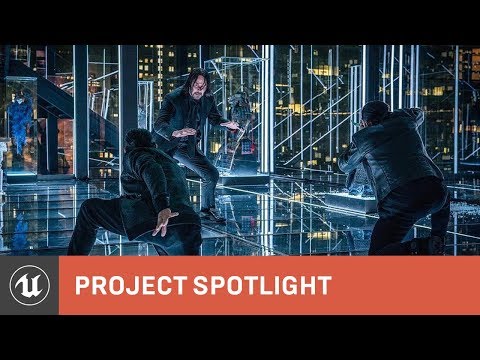
The production of “John Wick 3” showcases how VR can be used to prototype and visualize complex sets before they’re physically built.
Using Unreal Engine, the production team was able to: - Explore set designs in VR months before physical construction - Create and adjust lighting in a virtual environment - Provide a spatial understanding of abstract set concepts - Allow actors, directors, and cinematographers to visualize scenes in advance
A production designer on the film emphasized the tool’s importance.
It became this tool that allowed us to visualize what this set look like and also helped us to create the lighting and the design of this thing months and months before any decisions had to be made on the physical set. It was such an abstract set that having this kind of spatial relationship and visualizing it from that point of view had tons of value. I can’t imagine them doing this set without VR.
- Quote from film production designer
6.2.5 Conclusion
XR technologies have become indispensable tools in architecture and urban planning. By providing immersive, interactive experiences of unbuilt environments, they enable better design decisions, more effective communication, and ultimately, the creation of spaces that better serve their intended purposes. As these technologies continue to evolve, we can expect their role in shaping our built environment to grow even further.
6.3 Data Visualization in XR
Extended Reality (XR) technologies offer powerful new ways to visualize and interact with complex data sets. By leveraging the immersive and spatial nature of XR, data visualization can become more intuitive, engaging, and insightful.
6.3.1 The Power of Immersive Data Visualization
Immersive data visualization in XR goes beyond traditional 2D charts or graphs by allowing users to physically move through and interact with data in a three-dimensional space. This approach can make complex data more accessible and memorable.
These examples demonstrate how VR, AR, and immersive technologies can make data and information more impactful, memorable, and relatable to us as embodied humans. The physical engagement transforms abstract data into tangible, experiential knowledge.
6.3.2 Examples of XR Data Visualization
6.3.2.1 1. HoloCube: Augmented Reality for 3D Data Visualization
The HoloCube represents an innovative application of augmented reality (AR) technology for data visualization. This device consists of a physical box with AR markers that, when viewed through a smartphone or other AR-capable device, displays a 3D object that can be manipulated by the user.
The HoloCube presents itself as a 3D object that you can turn and twist in your hands to understand different types of three-dimensional information. This tactile manipulation creates an intuitive interface for data exploration.

6.3.2.2 2. Embodied Data Visualization: The Nasdaq Example
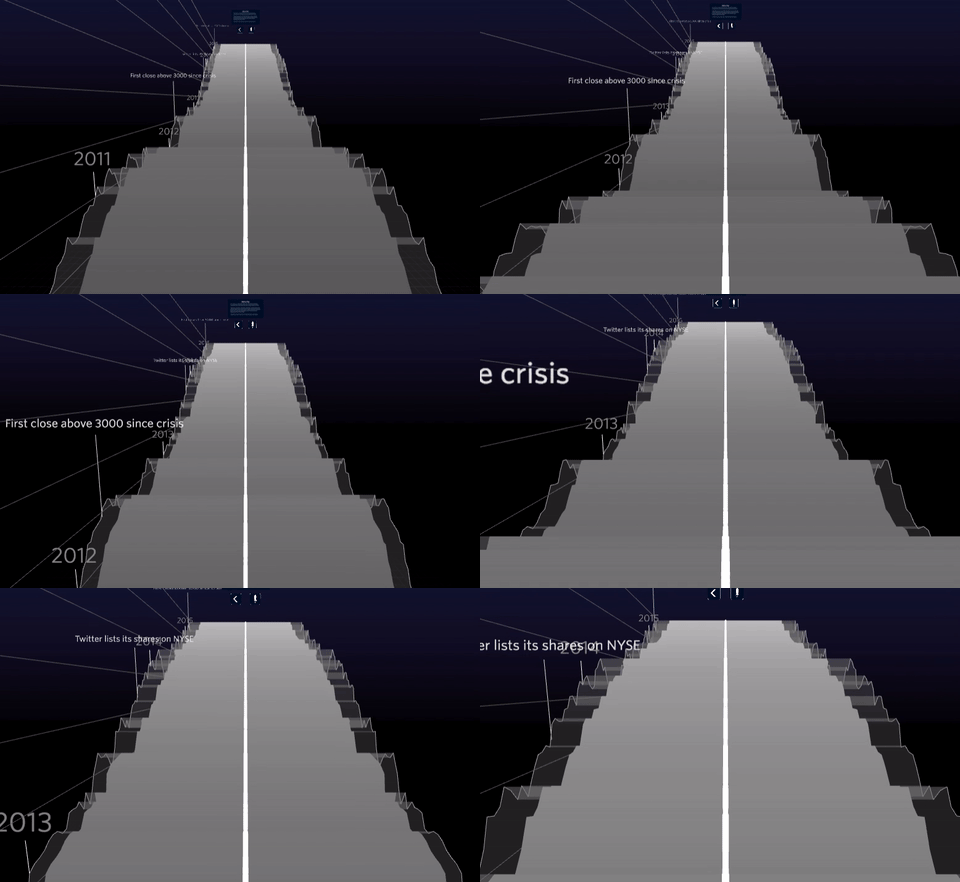
Moving beyond handheld devices, the concept of embodied data visualization aims to make data more memorable and relatable by connecting it to physical experiences. One example is a visualization of the Nasdaq stock exchange’s value over time, represented as a series of steps. When you represent data this way, you get the physical sensation of walking up stairs, creating a different type of memory for how these values rise and fall. You can feel when there’s a steep incline or gradual slope, embedding the data pattern in your muscle memory.
6.3.2.3 3. Data Sculptures: Physical and Virtual Representations
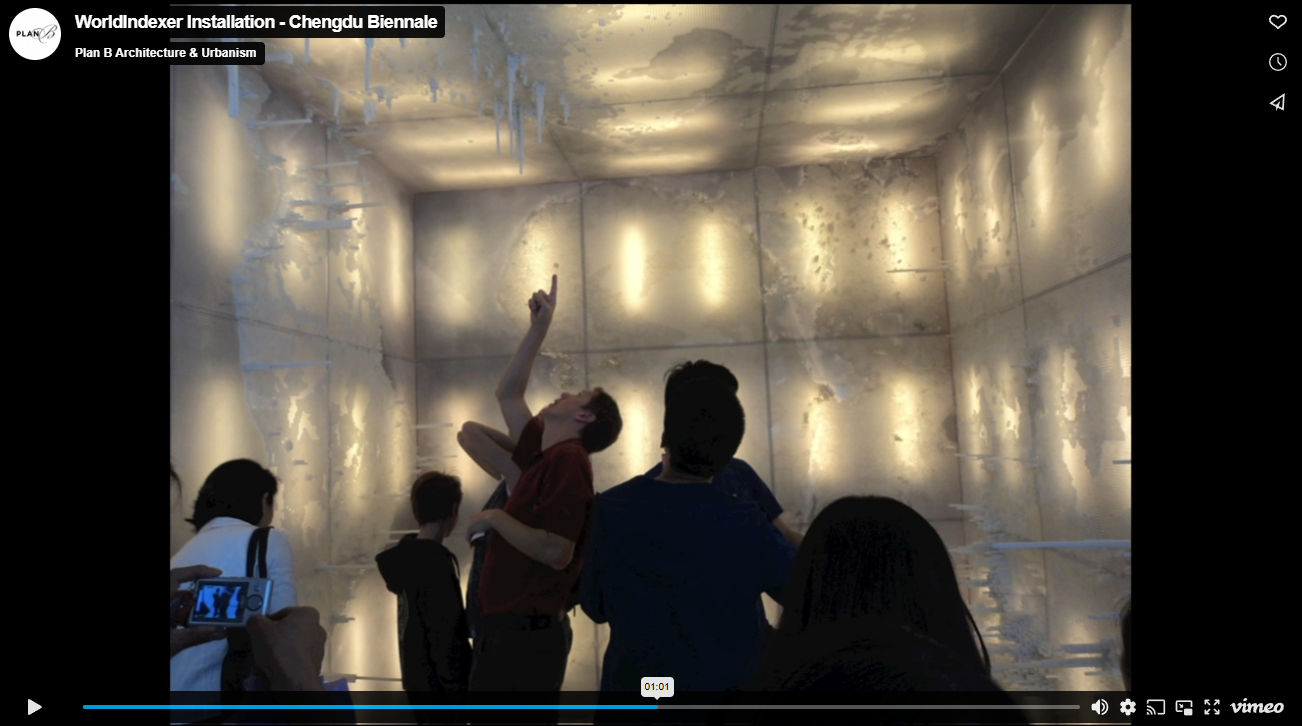
Data sculptures take embodied visualization a step further by creating large-scale, physical or virtual installations that users can interact with. These installations allow for a more immersive and physically engaging experience with data.
One example involves representing population data. Population data from different parts of the world is represented through physical models that you can walk into and examine directly. You can step up to these representations and compare them to yourself and your own body scale, making abstract demographic statistics tangible and personally relatable.
This approach makes abstract population statistics tangible and comparable to human scale, potentially leading to more intuitive understanding of disparities and distributions.
6.3.3 Visualizing Death Tolls in Virtual Reality
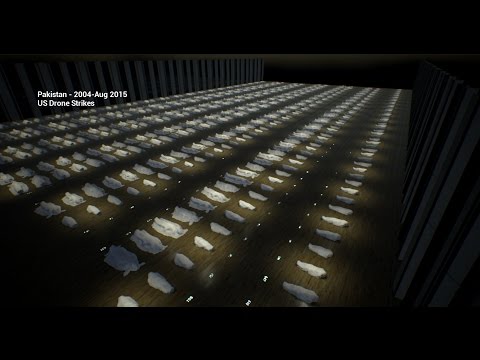
A powerful example of using VR for data visualization is a project that represents death tolls from drone strikes.
Here the death toll is displayed as individual bodies arranged in a vast hall. As you walk through and navigate this space, you gain a visceral sense of the scope and what these numbers actually represent in human terms. The physical act of moving through the representation transforms statistics into emotional understanding.
This approach goes beyond traditional 2D charts or graphs by allowing the viewer to physically move through a space filled with representations of the deceased. Each body in the virtual environment corresponds to a real person killed, creating a powerful and emotionally resonant experience.
6.3.4 Benefits of XR Data Visualization
Spatial Understanding: XR allows users to perceive data in three dimensions, potentially revealing patterns or relationships not apparent in 2D representations.
Increased Engagement: Immersive and interactive visualizations can make data exploration more engaging and memorable.
Collaborative Analysis: Multiple users can explore and discuss data together in a shared virtual space.
Scale and Perspective: XR enables users to view data at various scales, from overview to detail, simply by moving within the virtual space.
Embodied Cognition: By allowing users to physically interact with data, XR can leverage embodied cognition principles to enhance understanding.
6.3.5 Challenges and Considerations
While XR data visualization offers many benefits, there are also challenges to consider:
Cognitive Overload: Immersive 3D environments can potentially overwhelm users with too much information.
Design Complexity: Creating effective 3D visualizations requires new design skills and considerations.
Accessibility: Ensuring that XR data visualizations are accessible to users with various physical abilities.
Technological Barriers: The need for specialized hardware (VR/AR headsets) can limit widespread adoption.
6.3.6 Conclusion
XR technologies are opening up new frontiers in data visualization, offering ways to make complex data more intuitive, engaging, and impactful. As these technologies continue to evolve and become more accessible, we can expect to see increasingly sophisticated and insightful XR data visualizations across various fields, from business analytics to scientific research and beyond.
6.4 Education and Training Applications
Extended Reality (XR) technologies are revolutionizing education and training across various fields. By offering immersive, interactive experiences, XR can enhance learning outcomes, improve retention, and provide safe environments for practicing complex skills.
6.4.1 Why Immersive Learning Works: Theoretical Foundations
Before exploring specific applications, it’s worth understanding why XR is particularly effective for learning. Several established learning theories help explain the educational power of immersive experiences.
Experiential Learning: Kolb’s experiential learning cycle describes learning as a process of concrete experience, reflective observation, abstract conceptualization, and active experimentation. XR uniquely enables this entire cycle within a single session. A medical student can perform a virtual surgery (concrete experience), review their performance from different angles (reflective observation), understand the underlying anatomical principles through 3D visualization (abstract conceptualization), and immediately try again with modifications (active experimentation). The immersive nature compresses and intensifies this learning cycle in ways traditional instruction cannot match.
Situated Cognition: Learning occurs most effectively in authentic contexts that match how knowledge will be used. VR excels at providing contexts that would be expensive, dangerous, or impossible to access otherwise. A welding student learns not just the technique but also the physical context—the heat, the sparks, the spatial relationships. Language learners practice not in abstract grammar exercises but in simulated cultural contexts. This situatedness makes knowledge more transferable to real-world application because it was acquired in conditions that more closely approximate actual use.
Cognitive Load Theory: XR can both reduce and increase cognitive load, depending on design. Well-designed immersive experiences reduce extraneous cognitive load by making spatial relationships and three-dimensional structures immediately apparent rather than requiring mental rotation or visualization. A chemistry student seeing molecular structures in 3D space doesn’t need to expend cognitive effort translating 2D diagrams. However, poor XR design can increase extraneous load through uncomfortable interfaces, motion sickness, or unnecessarily complex navigation. The key is designing experiences that leverage XR’s ability to clarify spatial and procedural understanding while avoiding interface complexity that distracts from learning objectives.
Connection to Presence and Embodiment: These learning advantages connect directly to the presence and embodiment concepts discussed in ?sec-presence and Section 1.4. The sense of presence—the feeling of “being there”—is what enables the concrete experiences that drive experiential learning. Embodiment creates the authentic context that situated cognition requires. When students feel physically present in a virtual environment and embodied within it, they engage with content through the same perceptual and motor systems they’ll use in real-world application. This alignment between learning context and application context is what makes immersive learning particularly effective.
These theoretical foundations explain why the following examples and applications demonstrate such strong learning outcomes. XR isn’t just a novel delivery mechanism—it leverages fundamental principles of how humans learn most effectively.
6.4.2 Virtual Classrooms and Immersive Learning Environments
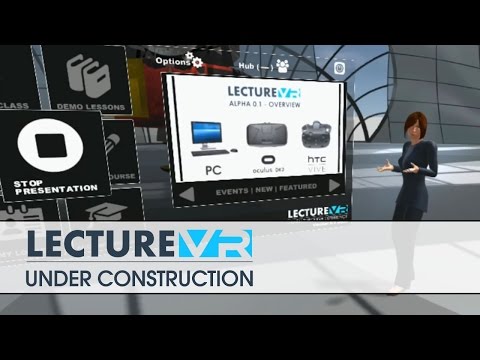
XR technologies can create virtual classrooms that go beyond traditional limitations.
When you have all students in a virtual environment, you can begin with something that essentially replicates a normal lecture situation. But once you establish that familiar foundation, you can then introduce 3D materials into the environment—essentially anything you can imagine. The possibilities become limitless.
Key advantages of virtual classrooms include: - Ability to visualize complex 3D concepts - Dynamic environment changes (e.g., transporting to historical locations) - Interactive demonstrations with virtual objects
Think of it like Hogwarts, essentially. You have a school where you want to teach using sound pedagogy, but you also have magic at your disposal. In VR, you can do anything—conjure any object, create any environment, and transport students anywhere. The educational possibilities are truly magical.
6.4.3 Hands-on Training in Virtual Environments
XR technologies excel at providing hands-on training experiences, especially in fields where real-world practice might be dangerous, expensive, or impractical.
6.4.3.1 Example: Virtual Welding Lab
At University West, a project was undertaken to create a virtual welding lab:
- Collaboration with PTC (Production Technology Center)
- Utilization of photogrammetry to create 3D models of equipment
- Development of a virtual “exhibition” space
- Integration of instructional videos and information
This virtual lab serves multiple purposes: 1. Provides accessibility to expensive or potentially dangerous equipment 2. Offers a platform for remote learning and training 3. Creates an interactive space for showcasing technology and processes
6.4.4 Medical Training and Surgical Simulation
XR technologies have found significant applications in medical education and surgical training.
One particularly valuable application is in surgical training and review. Surgical operations can be recorded using volumetric video, allowing medical professionals to review procedures from multiple angles after the fact.
During live surgical procedures, there are often angles you can observe and others you wish you could see but cannot. With volumetric or free-viewpoint video recording, you can actually rotate the view and examine the procedure from different angles, seeing more of what’s happening and better understanding how the surgery unfolds.
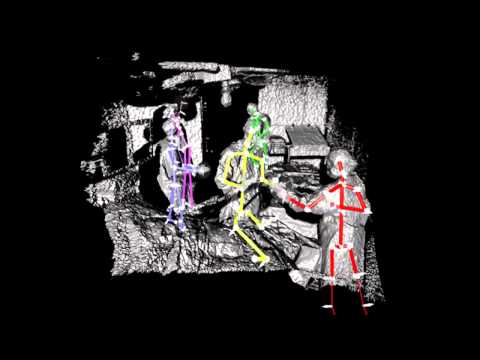
This capability enhances the learning experience and can lead to improved surgical techniques and outcomes. For technical details on how volumetric video capture works, see Section 7.3.
6.4.5 Language Learning and Cultural Immersion
XR can provide immersive environments for language learning and cultural experiences. Students can be transported to virtual representations of foreign countries, practicing language skills in context and experiencing cultural nuances firsthand.
6.4.6 Benefits of XR in Education and Training
- Engagement: Immersive experiences can increase student engagement and motivation.
- Experiential Learning: XR allows for learning by doing, which can improve retention and understanding.
- Visualization of Abstract Concepts: Complex or abstract ideas can be visualized in 3D, making them easier to grasp.
- Safe Practice Environment: Students can practice dangerous or high-stakes procedures without real-world risks.
- Accessibility: XR can make certain educational experiences more accessible to students regardless of physical location.
6.4.7 Challenges and Considerations
While XR offers many benefits for education and training, there are also challenges to consider:
- Cost: High-quality XR equipment can be expensive, potentially limiting widespread adoption.
- Technical Expertise: Educators need training to effectively use and create XR content.
- Content Development: Creating high-quality educational XR experiences requires significant time and resources.
- Potential for Distraction: Immersive environments might sometimes distract from learning objectives.
- Equity Issues: Ensuring equal access to XR technologies for all students can be challenging.
6.4.8 Future Directions
As XR technologies continue to evolve, we can expect to see:
- More sophisticated simulations for professional training
- Increased use of AI to create adaptive learning experiences in XR
- Greater integration of haptic feedback for more realistic training scenarios
- Development of collaborative XR spaces for group learning and projects
6.4.9 Conclusion
XR technologies are transforming education and training by offering immersive, interactive, and engaging learning experiences. From virtual classrooms that can transport students anywhere in the universe to sophisticated simulations for professional training, XR is opening up new possibilities for how we learn and practice skills. As these technologies become more advanced and accessible, they have the potential to revolutionize education at all levels, making learning more effective, engaging, and accessible than ever before.
6.5 Healthcare and Therapy Uses
Extended Reality (XR) technologies are making significant impacts in the healthcare sector, offering innovative solutions for medical training, patient treatment, and therapeutic interventions. This section explores various applications of XR in healthcare and therapy.
6.5.1 Augmented Reality in Medical Procedures
Augmented Reality (AR) is finding applications in various medical procedures, providing real-time information and guidance to healthcare professionals.
6.5.1.1 Example: Vein Visualization
AR technology can be used to help medical professionals locate veins for injections or blood draws. By projecting a map of the patient’s veins onto their skin, this technology can: - Improve accuracy of needle placement - Reduce patient discomfort - Increase efficiency of procedures
6.5.2 Mental Health and Therapy Applications
XR technologies offer new possibilities for mental health treatment and therapy.
6.5.2.1 Virtual Reality Exposure Therapy (VRET)
VRET is a form of exposure therapy that uses VR to create controlled environments for patients to confront their fears or anxieties. This can be particularly effective for treating: - Phobias (e.g., fear of heights, flying, or public speaking) - Post-Traumatic Stress Disorder (PTSD) - Anxiety disorders
The immersive nature of VR allows therapists to: - Create customized, gradual exposure scenarios - Control and adjust the intensity of the experience - Provide a safe, controlled environment for patients
6.5.2.2 Pain Management
VR has shown promise in pain management, particularly for chronic pain and during medical procedures. By immersing patients in engaging virtual environments, VR can: - Distract from pain sensations - Reduce anxiety associated with medical procedures - Potentially decrease the need for pain medication
6.5.3 Rehabilitation and Physical Therapy
XR technologies are being used to enhance rehabilitation and physical therapy programs.
6.5.3.1 Gamified Exercises
By turning rehabilitation exercises into immersive games, XR can: - Increase patient engagement and motivation - Provide real-time feedback on movement and progress - Allow for remote monitoring by healthcare professionals
6.5.3.2 Motor Skills Rehabilitation
For patients recovering from strokes or other neurological conditions, XR can provide: - Customized, adaptive exercises - Immersive environments that encourage movement - Visual feedback to help retrain motor skills
6.5.4 Challenges and Considerations
While XR offers significant benefits in healthcare, there are challenges to consider:
- Data Privacy and Security: Ensuring patient data protection in XR applications.
- Integration with Existing Systems: Seamlessly incorporating XR into current healthcare IT infrastructures.
- Regulatory Approval: Navigating the process of getting XR medical applications approved by regulatory bodies.
- User Adoption: Training healthcare professionals to effectively use XR technologies.
- Potential Side Effects: Addressing issues like motion sickness or eye strain in some users.
6.5.5 Future Directions
As XR technologies continue to advance, we can expect to see:
- More sophisticated surgical planning and visualization tools
- Enhanced telemedicine capabilities using AR and VR
- Integration of haptic feedback for more realistic medical simulations
- Development of AI-powered virtual health assistants
- Expanded use of XR in medical education and training
6.5.6 Conclusion
XR technologies are transforming healthcare by offering new tools for medical training, patient treatment, and therapeutic interventions. From enhancing surgical precision to providing innovative approaches to mental health treatment, XR is opening up new possibilities in healthcare. As these technologies continue to evolve and become more integrated into medical practice, they have the potential to significantly improve patient outcomes, enhance medical education, and revolutionize how healthcare is delivered.
6.6 Entertainment and Gaming
Extended Reality (XR) technologies have made a significant impact on the entertainment industry, particularly in gaming. This section explores how XR is reshaping entertainment experiences and revolutionizing game development.
6.6.1 VR Gaming: Immersive Experiences
Virtual Reality (VR) has transformed gaming experiences, offering two primary approaches:
6.6.1.1 1. Seated VR Gaming
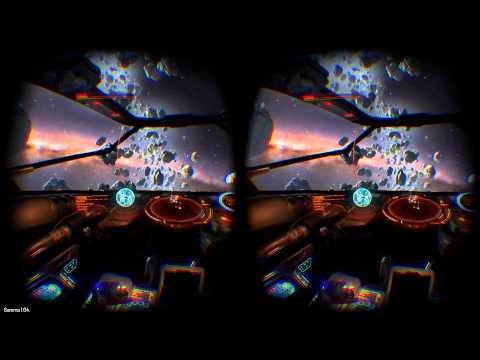
Seated VR games create immersive cockpit-like environments, allowing players to control vehicles or spaceships without requiring physical movement.
A prime example is Elite Dangerous, a space simulation game.
This is an excellent example of VR’s advantages in gaming, where you can design an entire cockpit environment with all controls positioned naturally around you. You can look left and right to access additional information that feels intuitively placed and easily accessible.
This setup provides several advantages: - Full 360-degree visual immersion - Intuitive control layouts - Reduced motion sickness issues - Simplified tracking and transportation problem-solving
6.6.1.2 2. Room-scale VR Gaming
Room-scale VR games utilize physical movement within a defined space, creating highly interactive experiences.
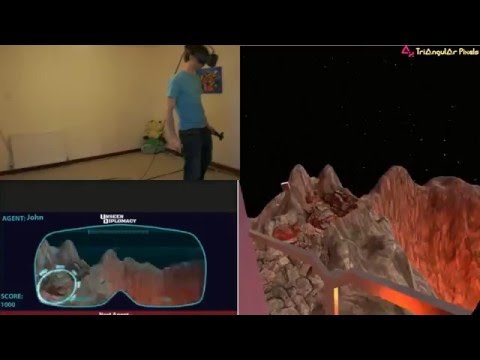
The game Unseen Diplomacy exemplifies this approach.
The game requires you to physically get down on your knees, use hand controls to unscrew screws, crawl through ducts, and follow complex twists and turns. This full-body engagement creates an unprecedented level of immersion and physical presence in the game world.
Key features of room-scale VR: - Full-body engagement - Complex environmental interactions - Clever level design to maximize limited physical space - Enhanced sense of presence
Developers use techniques like narrow turns to create the illusion of large environments within confined physical spaces.
6.6.2 XR in Film and Entertainment
XR technologies are not just transforming gaming; they’re also reshaping how films are made and experienced.
6.6.2.1 Virtual Production in Filmmaking
VR and AR technologies are being used in film production, particularly for previsualization and virtual set design. The production of “John Wick 3” showcases this approach.
It became this tool that allowed us to visualize what this set look like and also helped us to create the lighting and the design of this thing months and months before any decisions had to be made on the physical set. It was such an abstract set that having this kind of spatial relationship and visualizing it from that point of view had tons of value.
- Quote from production designer on John Wick 3
Using Unreal Engine, the production team was able to: - Explore set designs in VR months before physical construction - Create and adjust lighting in a virtual environment - Allow actors, directors, and cinematographers to visualize scenes in advance
6.6.2.2 360-degree Videos and Immersive Experiences
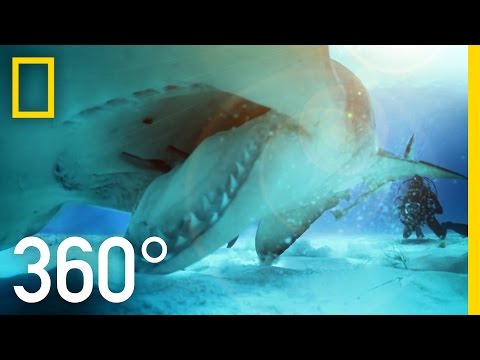
360-degree videos represent a significant advancement in immersive entertainment, offering viewers the ability to look around in any direction and feel present within filmed content.These videos have found particular success in entertainment applications where they can transport audiences to otherwise inaccessible locations.
Entertainment Applications: - Nature documentaries: Underwater scenes, wildlife encounters, and extreme environments - Concert experiences: Virtual front-row seats to live performances
- Travel content: Virtual tourism and location scouting - Sports broadcasting: Courtside or field-level viewing experiences
When you experience 360-degree video in a VR headset, you can simply turn your head to look around naturally. This represents one of the best applications for mobile VR headsets, where the interaction remains simple yet highly immersive.
User Experience Considerations: - Immersive storytelling: Directors must consider that viewers can look anywhere, changing traditional narrative control - Comfort and accessibility: Works particularly well for users who cannot physically travel or experience certain environments - Social viewing: Multiple users can share the same 360-degree experience while each controlling their own viewpoint - Interactivity: Only interactivity is to look around, if you try to move or interact in any other way your sense of presence may break.
Note: For technical details on 360-degree video integration and implementation considerations, see Section 7.5.1 in Chapter 7.
6.6.3 AR in Entertainment
Augmented Reality (AR) is finding its place in entertainment through mobile applications and location-based experiences.
6.6.3.1 Mobile AR Games
Games like Pokémon Go have demonstrated the potential of AR in creating engaging, real-world interactive experiences. These games: - Blend virtual elements with the real world - Encourage physical activity and exploration - Create social experiences through shared AR environments
6.6.3.2 Location-Based AR Experiences
Theme parks and museums are incorporating AR to enhance visitor experiences: - Interactive exhibits that come to life through AR devices - Guided tours with AR overlays providing additional information - AR-enhanced rides that blend physical and virtual elements
6.6.4 The Future of XR in Entertainment
As XR technologies continue to evolve, we can expect to see:
- More sophisticated and immersive VR gaming experiences
- Increased use of XR in film production and virtual cinematography
- Blending of physical and virtual elements in live performances and events
- Development of shared virtual spaces for social entertainment experiences
- Integration of haptic feedback and other sensory inputs for more immersive experiences
6.6.5 Challenges and Considerations
While XR offers exciting possibilities for entertainment, there are challenges to address:
- Motion Sickness: Designing VR experiences that minimize discomfort for users
- Hardware Limitations: Current XR devices may have limitations in resolution, field of view, or comfort for extended use
- Content Creation: Developing high-quality XR content requires new skills and can be resource-intensive
- Accessibility: Ensuring XR entertainment is accessible to users with various physical abilities
- Social Concerns: Addressing potential issues of isolation or addiction in immersive virtual experiences
6.6.6 Conclusion
XR technologies are reshaping the landscape of entertainment and gaming, offering new ways to create and experience content. From fully immersive VR games to AR-enhanced real-world experiences, XR is opening up new frontiers in how we play, watch, and interact with entertainment. As these technologies continue to advance, we can expect to see even more innovative and engaging applications in the world of entertainment and gaming.
6.7 Immersive Cultural and Tourism Experiences
Virtual Reality (VR) technology is revolutionizing the way we experience tourism and cultural sites, offering immersive experiences that transport users to different parts of the world and even to imaginary realms. This section explores several innovative VR applications in tourism and cultural experiences.
6.7.1 Google Earth VR
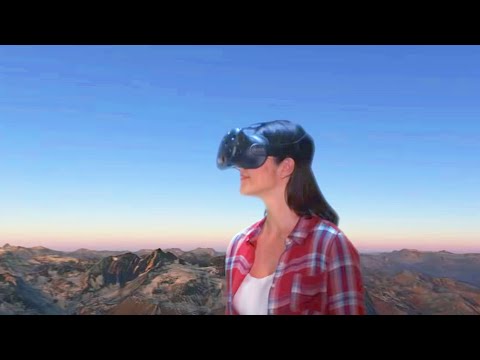
Google Earth VR leverages Google’s extensive 3D mapping data to provide virtual tours of cities around the world. This application allows users to:
- Explore 3D renderings of major cities
- Navigate freely through different parts of the world
- Experience changes in time of day within the virtual environment
The application allows you to navigate effortlessly from one part of the world to another, move around freely, and observe changes in time of day and other environmental conditions. This creates a fluid, global exploration experience.
While the application offers an impressive bird’s-eye view of cities, it’s worth noting that the detail at street level may be limited due to the nature of photogrammetry data used.
6.7.2 Versailles VR
The Versailles VR project showcases the potential of high-detail photogrammetry in creating virtual tourism experiences. This ambitious project involved:
- Capturing the Palace of Versailles in extreme detail
- Using tens of thousands of photos to recreate the site
- Allowing users to navigate and explore the palace in virtual reality
I want to emphasize the project’s scale.
The team undertook extremely ambitious photogrammetry work to capture Versailles in extraordinary detail, using tens of thousands of photographs—possibly more—to recreate much of what you would see during an actual visit to the palace. This level of detail creates an remarkably authentic virtual experience.
This level of detail allows for a highly immersive experience that closely mimics an actual visit to the palace.

6.7.3 Museum of Other Realities
The Museum of Other Realities (MOR) represents a different approach to virtual tourism and cultural experiences. Unlike recreations of physical places, MOR leverages the unique possibilities of VR to create:
- A virtual museum with various art installations
- Novel and interesting cultural experiences
- Artistic expressions that may not be possible in the physical world
This represents a different type of experience that isn’t widely available yet, but I find it particularly fascinating in terms of the novel and interesting cultural experiences it can provide. It opens up entirely new possibilities for cultural engagement that transcend physical limitations.
This type of virtual experience opens up new possibilities for artistic expression and cultural exploration that go beyond the limitations of physical spaces.

6.7.4 The Void
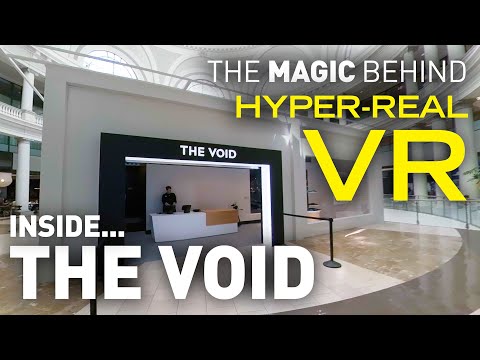
The Void takes virtual reality experiences to another level by combining VR technology with physical environments and effects. This approach:
- Creates immersive experiences based on popular franchises like Star Wars and Ghostbusters
- Uses “magic theory and design” to enhance the sense of reality
- Allows users to step into and interact with fantasy worlds
If we’re going to put you inside a Star Wars, I mean, that’s an impossible reality. That’s not a reality that you’re going to actually travel to and visit. So we use a lot of magic theory and design behind the scenes to help convince you, even if it’s just subconsciously that these things are real.
- Quote from The Void
The Void demonstrates how VR can be used to create fantastical tourism experiences, allowing people to visit and interact with imaginary worlds in ways that feel tangible and real.
6.7.5 Implications for the Tourism Industry
The development of these immersive cultural and tourism experiences has significant implications for the tourism industry:
Accessibility: VR can make cultural sites and experiences accessible to those who may not be able to visit in person due to physical, financial, or geographical constraints.
Preservation: Detailed virtual recreations can aid in the preservation of historical sites and artifacts, allowing for their study and appreciation even if the physical locations become inaccessible.
Pre-trip Planning: Potential tourists can use VR to explore destinations before deciding to visit, potentially influencing their travel choices.
Education: These immersive experiences offer new ways to learn about history, culture, and art, supplementing traditional educational methods.
New Forms of Entertainment: Experiences like The Void blur the lines between tourism, entertainment, and storytelling, creating new opportunities for the tourism and entertainment industries.
As VR technology continues to advance, we can expect even more innovative and immersive applications in tourism and cultural experiences, further transforming how we explore and interact with the world around us.
6.8 Further Reading
Chapter 6 explored various real-world applications of XR technologies across different sectors, including education, healthcare, entertainment, and industry. We examined how VR, AR, and MR are being used to solve problems and create new opportunities in these fields. To gain a broader perspective on the current and future applications of XR, explore these resources:
6.8.1 Research Papers
- Riva, G., Baños, R. M., Botella, C., Mantovani, F., & Gaggioli, A. (2016). Transforming experience: the potential of augmented reality and virtual reality for enhancing personal and clinical change. Frontiers in psychiatry, 7, 164.
- Explores applications of VR and AR in mental health and personal development.
- Somanath, S., et al. (2024). Towards Urban Digital Twins: A Workflow for Procedural Visualization Using Geospatial Data. Remote Sensing, 16(11), Article 11.
- Demonstrates the application of XR technologies in urban planning and visualization.
6.8.2 Additional Resources
- IEEE VR Conference proceedings: https://ieeevr.org/
- Annual conference proceedings showcasing the latest research and applications in virtual reality.
- Augmented World Expo (AWE) website: https://www.awexr.com/
- Resources and news about the latest developments in AR and VR applications.